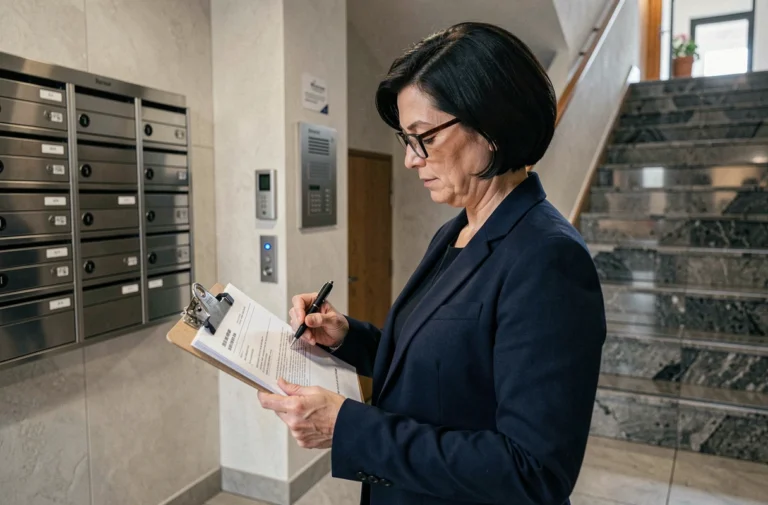
Crossing a land border between Bosnia and Croatia, then discovering at the checkpoint that the rules for entering the Schengen Area have changed since your last visit: situations like this are a reminder that travelling differently is about more than choosing an unusual destination. Planning a different itinerary also means checking the formalities, documents and digital systems that now govern international travel.
Schengen formalities and new digital systems for travel
Since 10 April 2026, the EES (Entry/Exit System) has been fully operational in 29 European countries. The system records the border crossings of non-European travellers, taking fingerprints and facial scans instead of stamping passports.
ETIAS, often confused with EES, is a separate system. It is a travel authorisation that must be obtained in advance by nationals of visa-exempt countries. Its launch date remains uncertain, according to the official sources currently available. Some websites are already charging for ETIAS applications even though the system is not yet open: only official European Union channels will be authorised to process applications.
If you’re planning a trip beyond the usual tourist routes, travelinteresting.com offers useful resources covering both destination ideas and practical information about travel formalities.
Before booking a ticket for an itinerary that crosses several countries, start by checking the EU’s official portal. The difference between a smooth trip and an unpleasant surprise at the border often comes down to this simple check in advance.
Train and cycling routes: a different way to travel without flying
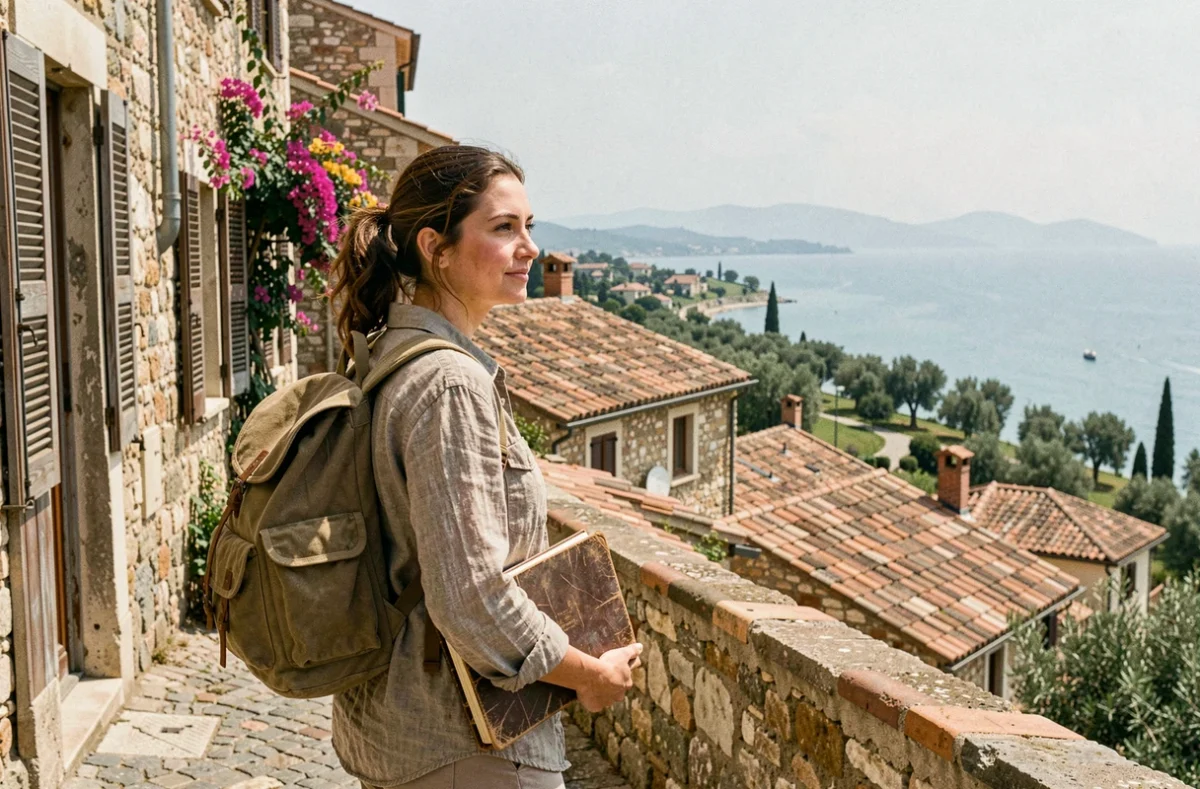
Replacing a flight with a train journey changes the very nature of travel. Instead of transferring between two airports, you cross the landscape at a gradual pace, with the chance to stop in intermediate towns that few people ever visit.
Night trains are once again a viable way to travel around Europe. Several routes now connect capital cities, while regional networks make it possible to reach rural areas without a car. France, Austria and Sweden are among the countries that have relaunched or maintained overnight services.
Planning a tailor-made rail itinerary
The most effective approach is to start with your desired destination and work backwards through the connections. Identify the stretches where a regional train offers a better balance of travel time and experience than a high-speed train, then add overnight stops in medium-sized towns.
A bicycle is a good way to cover the last few kilometres. Some rail networks allow fully assembled bikes in dedicated carriages, making it easy to alternate days of cycling with longer-distance train journeys.
- Check each rail operator’s bike policy before buying your ticket, as the rules vary from country to country
- Choose waterproof panniers rather than a backpack, so you can switch easily between train and bike without having to repack your belongings
- Opt for regional routes during the middle of the week, when bike spaces are less in demand from commuters

Travel differently in France: micro-adventures and nearby destinations
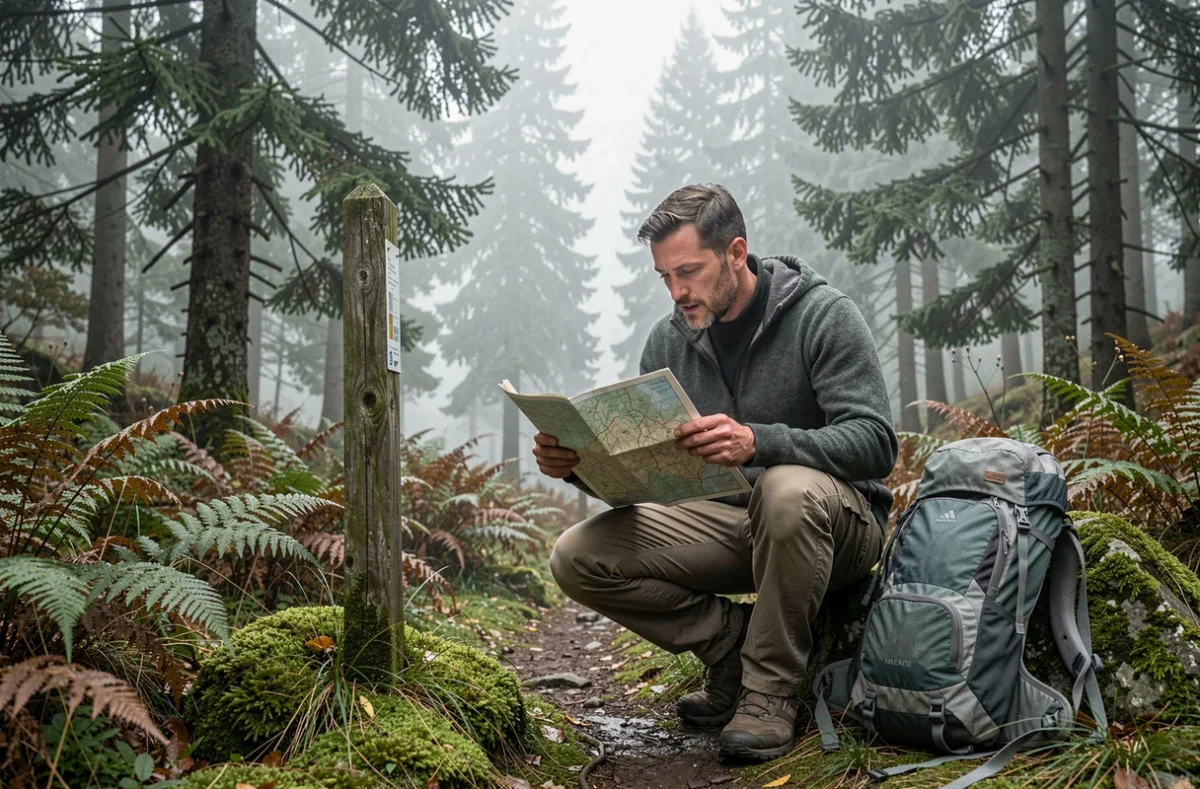
Alternative travel is often associated with far-flung destinations. In practice, micro-adventures close to home can offer a similar change of scenery, as long as you change your habits. Sleeping under the stars in the Massif Central, kayaking down a river in the Dordogne over several days or crossing a forested mountain range without GPS: there’s no shortage of places to explore.
Choose a short trip that shifts your perspective
Micro-adventures follow a simple principle: keep the geographical area small and spend more time there. Two nights in the same mountain village, exploring the trails and eating what local producers have to offer, can create more lasting memories than a week spent moving from one stop to the next.
Setting off without a fixed itinerary is still the most effective way to travel differently. Choose a direction and a slow mode of transport, then adapt to the people you meet and the weather. This approach works particularly well in less-visited parts of France, such as Aubrac, Morvan, the Millevaches plateau and the Var hinterland.
Immersive tourism and local experiences around the world
Staying with a family in a remote Nepalese village or taking part in a harvest in Senegal is a far cry from conventional tourism. These experiences mean accepting fewer comforts and a pace set by the host community, rather than following a sightseeing schedule.
Local immersion turns travellers into participants rather than spectators. You learn a practical skill, share a meal made with ingredients from the garden and sleep in the same conditions as your hosts. To get the most out of this kind of experience, plan to spend several consecutive days in the same place.
What to consider before committing to an immersive stay
- Make sure the host community benefits directly from the income generated by booking through local organisations rather than intermediary platforms
- Check health requirements and recommended vaccinations for the area, especially in remote rural regions
- Respect local customs, including dress codes, mealtimes and attitudes towards photography
- Allow some room in your budget to contribute beyond the cost of your stay if the situation calls for it
Travelling differently is about more than choosing an exotic destination or an unusual mode of transport. Administrative preparations are an integral part of the experience, especially as border control systems evolve. Check the formalities, adapt your itinerary to slower transport and spend more time in fewer places: these practical choices are what make a trip truly memorable.