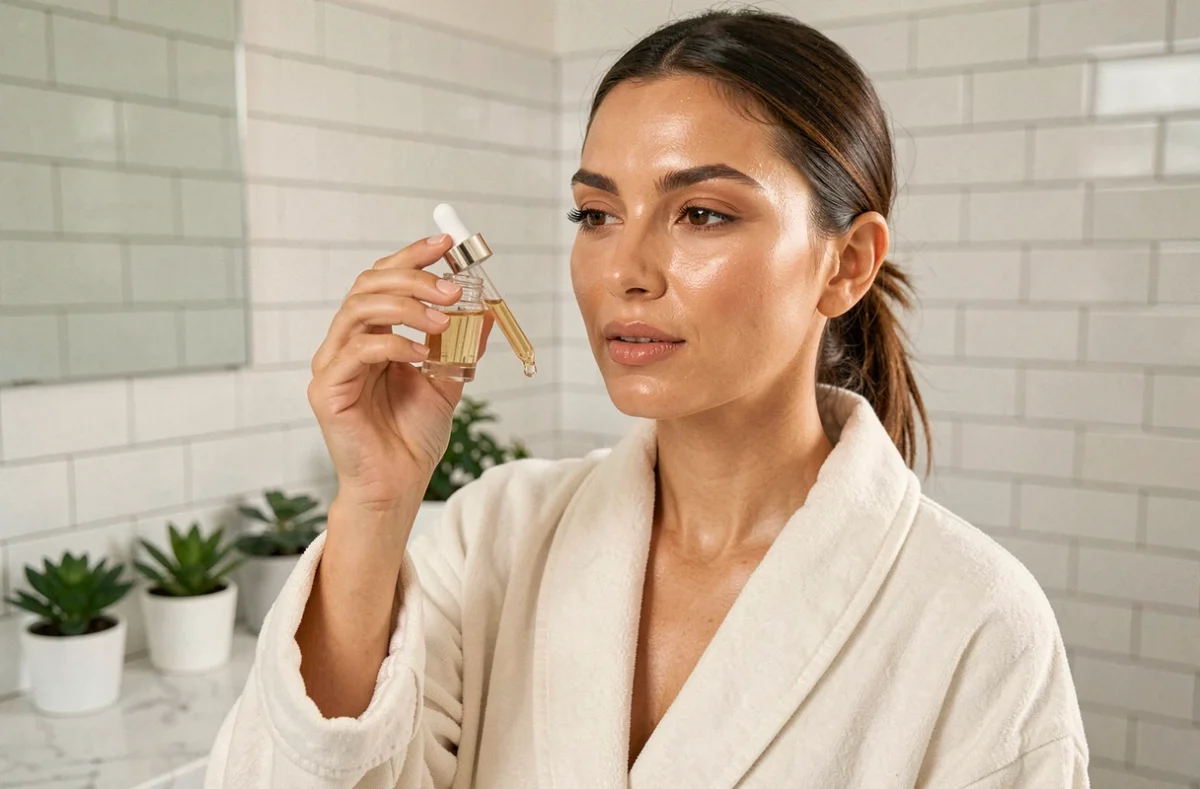
When you open your bathroom cabinet and find yourself facing a dozen half-used bottles, the question arises: does all this still serve a purpose? This year’s beauty and skincare trends are precisely pushing for decluttering, but not just to lighten the shelf. With new European regulatory constraints and rethought formulations, the way we choose our beauty products is changing fundamentally.
Environmental claims on cosmetics: what is changing concretely since September 2026
Before discussing active ingredients or routines, it is essential to set a framework that most beauty guides overlook. Since September 27, 2026, the European directive 2024/825 requires cosmetic brands to substantiate any environmental claims. Vague mentions like “natural,” “clean beauty,” or “eco-friendly” without documented proof are now likely to be banned.
In practice, we are already seeing brands removing the terms “sustainable” or “green” from packaging that they have used for years. For us, consumers, this means that a product still displaying vague claims on the shelf has probably not updated its compliance. It’s a warning signal, not a selling point.
The reflex to adopt: turn the bottle around. Serious brands now add QR codes or notices detailing the traceability of their ingredients and the measured impact of their production chain. On planete-beaute.com, you can find selections that already incorporate this transparency criterion in their recommendations.
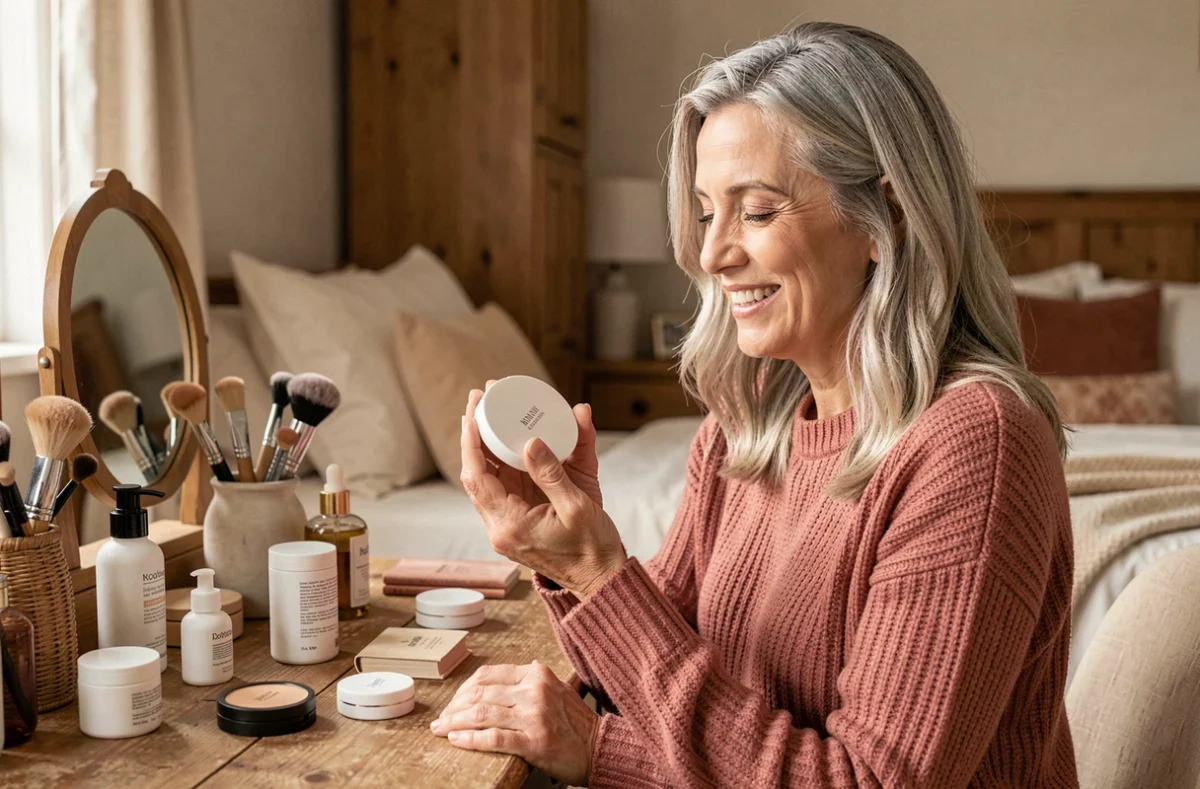
Refillable packaging for face and body care: beyond the ecological gesture
The European regulation PPWR (EU) 2025/40 has been in effect since August 12, 2026, and regulates reusable packaging much more strictly than before. A refillable container must be designed for multiple cycles of use, ensure product safety during refilling, and provide clear information about compatible refills.
A poorly designed refillable bottle can contaminate the product it holds. This is a point that many brands underestimate. Feedback varies on this point depending on the textures: an oil serum preserves better in a refilled container than a water-based cream, which is more sensitive to bacteria.
What to check before repurchasing a refill
- The original container has an explicit mention of compatibility with the refill offered by the brand, not a generic refill found online
- The closure system (pump, cap) is cleanable or replaceable, as this is where bacteria accumulate after several cycles
- The brand indicates a maximum number of reuses for the container, in accordance with the PPWR
Adopting refillable options for face or body care remains a good reflex, provided you treat the container as a hygiene tool, not just a decorative package.
Minimalist beauty routine: how to reduce without sacrificing results
The trend of skinimalism returns every year, but in 2026 it takes a more technical turn. We are no longer talking about “fewer products to simplify life” but about concentrated formulations that replace several steps in a routine. A well-dosed serum with moisturizing and antioxidant actives can make a toner and a separate cream unnecessary.
The classic trap: buying a “multifunction” product whose active ingredient concentration is too low for each claimed function. You end up with a product that doesn’t perform any function properly.
The criteria for a multifunctional product that delivers on its promises
A good multifunctional face care product displays the INCI list with its main actives in the first third of the list, not at the end of the formula. If hyaluronic acid or niacinamide appears after fragrance, the concentration is likely cosmetic, not functional.
Reducing your routine to three or four well-chosen products (cleanser, active treatment, sunscreen, and a body care product if needed) often yields better results on the skin than layering products that ultimately irritate the epidermis.

Anti-pollution protection for the skin: what products can really do
Microparticles present in urban air alter the hydrolipid film and accelerate skin aging. Several brands now offer “anti-pollution shield” treatments for the face. The principle relies on antioxidants (vitamin C, vitamin E, green tea extracts) that neutralize free radicals generated by pollutants.
Cleaning at the end of the day remains the most effective anti-pollution gesture. A “shield” product applied in the morning does not exempt you from double cleansing in the evening, first with an oily product (cleansing oil or balm), then with a gentle water-based cleanser. It is this combination that truly unclogs the particles accumulated in the pores.
Light textures, such as fluid or gel-cream, are better suited for this daily use than thick creams. They allow the skin to breathe while maintaining an active barrier against external aggressions.
Hybrid makeup and skincare: the boundary fades
We are increasingly seeing makeup products incorporating skincare actives: foundations enriched with niacinamide, lipsticks formulated with hyaluronic acid, mascaras containing peptides for the lashes. Makeup is becoming an extension of the skincare routine, not a separate gesture.
The practical interest is real for those who neither have the time nor the desire to layer six products every morning. A hydrating and protective foundation often replaces day cream, provided its formula contains a sufficient UV filter.
This convergence between makeup and skincare also prompts a reevaluation of makeup removal habits. A hybrid product loaded with actives requires appropriate cleansing to avoid leaving occlusive residues on the skin overnight.
This year’s beauty trends are not just about new active ingredient names or spectacular gestures. The real change lies in the regulation of claims, the design of packaging, and the actual concentration of formulas. Checking what we put on our skin with as much attention as what we put on our plates is probably the most sustainable advice we can give.