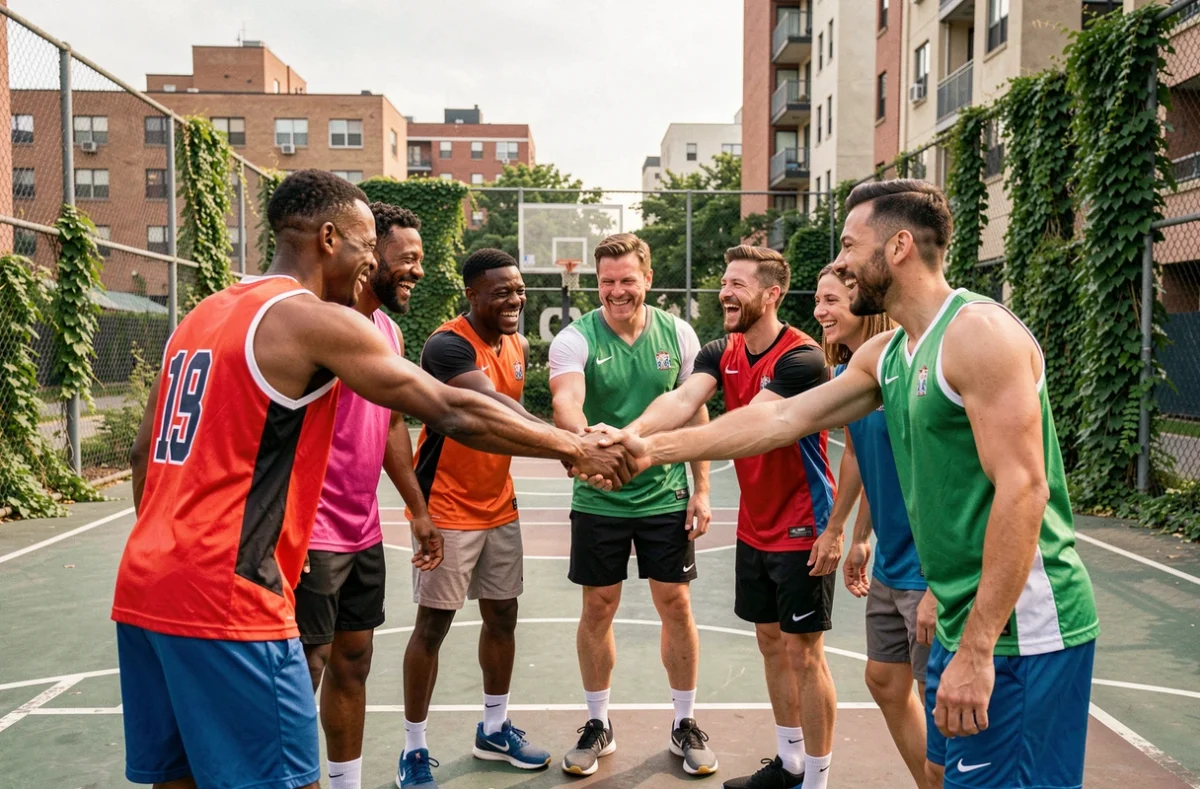
A football match in a municipal gym, an educational boxing session in a social center, an adapted swimming class in a neighborhood pool: these situations share a common point. They bring together people who are otherwise separated, around a shared physical activity. Sport as a driver of solidarity and social inclusion is not just a slogan. Concrete measures, recent regulatory obligations, and structured programs are turning this idea into measurable reality.
Sports referent in establishments: a game-changing obligation
Since the decree of July 17, 2023, following the law of March 2, 2022 aimed at democratizing sport, social and medico-social establishments must designate a sports referent. Their mission: to inform the individuals they support and facilitate their access to physical activities.
This measure does not only concern disability. It also affects integration structures, youth worker hostels, or accommodation centers. The referent identifies local clubs, organizes adapted time slots, and supports initial steps in sports practice.
Before this decree, physical activity in establishments depended on the goodwill of an educator or a director. Now, sport is integrated into the institutional functioning of these structures. This formalization creates a framework so that inclusion does not remain just a word in an establishment project.
Additional resources on associative initiatives linking sports practice and integration are available at sports-solidarite.org, which lists several active programs across France.
Sports clubs and medico-social establishments: local bridges
You may have noticed that a judo or table tennis club often operates just a few hundred meters from a medico-social establishment, with no connection between the two? The ESMS&CLUBS program, led by the French Paralympic and Sports Committee, aims precisely to build these bridges.
The principle is simple. An establishment identifies the sports interests of its residents. A partner club opens time slots, trains its staff, and adapts its sessions. The CPSF provides a methodological framework so that this collaboration does not rely on a single motivated volunteer.
What clubs need to take action
The 2025 impact study of the Inclusive Club program, conducted by the CPSF, reveals that clubs are not lacking in goodwill. What they lack is sustainable support from their federation: training on welcoming people with disabilities, advice on adapted equipment, ongoing logistical support.
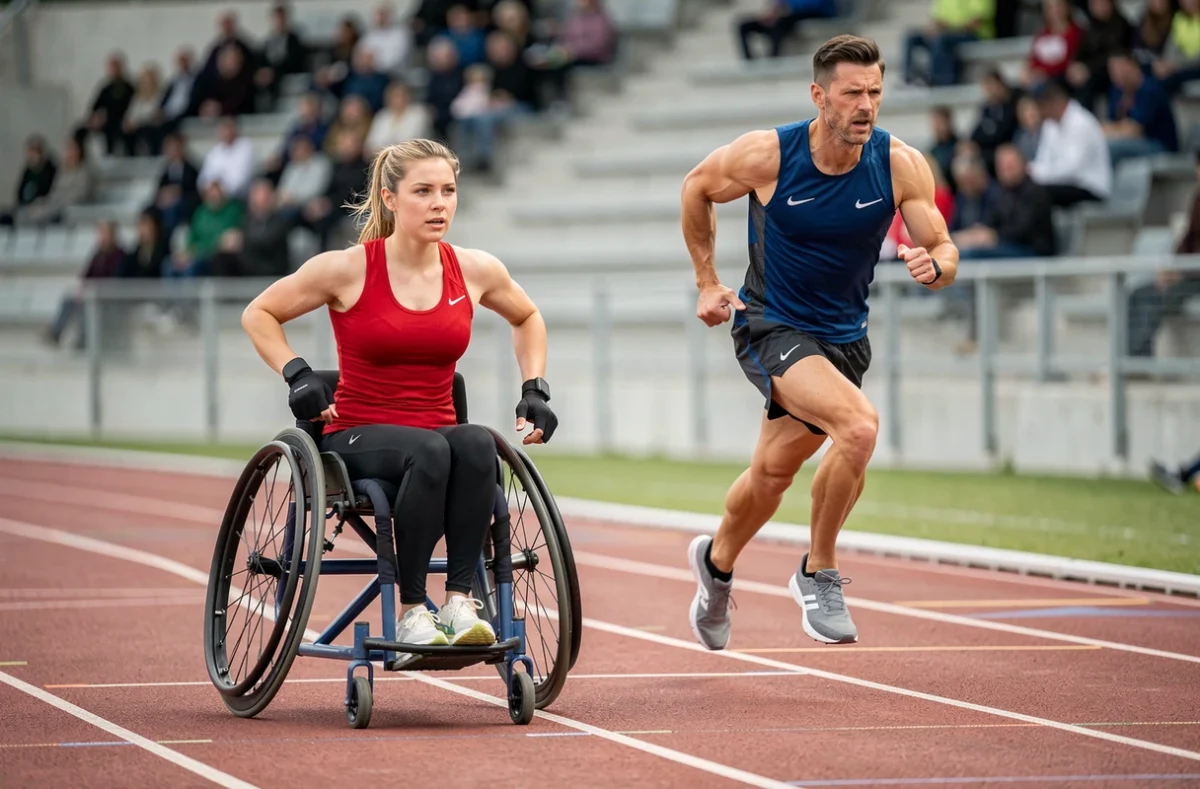
Occasional awareness-raising during a themed day is not enough. A club that welcomes a person in a wheelchair for a fencing class needs to know what to do the following week, and then the month after. Continuity of support is the determining factor.
- Training for staff on the specifics of each type of disability, not a one-size-fits-all training
- Access to practical sheets on adapted equipment (sports wheelchairs, prosthetics, sensory equipment)
- Regular federal support, not limited to an annual call for projects
Accessibility of sports facilities: a developing funding criterion
Building an accessible gym does not just mean installing a ramp. The National Strategy for Sport and Disability 2030 provides for an interministerial accessibility reference framework that integrates real usage conditions: changing rooms, showers, stands, practice areas, and equipment.
This reference framework introduces a new requirement. People with disabilities participate in the design of the accessibility of facilities. In other words, decisions are no longer made on their behalf about what is accessible or not.
Funding and major sporting events
Public support for major sporting events must now take into account the participation of disabled individuals from the design phase. This criterion is gradually conditioning the allocation of funding.
For an organizer, this means considering accessibility from the initial specifications. For a community renovating a stadium or pool, this involves consulting disability associations before finalizing plans.
Inclusion through sport for youth: beyond the field
Several public programs target actions that use sports practice as a tool for social and professional integration for young people. Sport is a means, not an end.
A young person disengaged from school who joins an educational boxing program does not just come to learn how to box. They learn to respect a framework, manage their emotions, and collaborate with others. These social skills then transfer into an integration pathway.
- Respect for schedules and collective rules, transferable to a professional environment
- Self-confidence developed through measurable physical progress
- Ability to cooperate in a mixed group (ages, backgrounds, levels)
The associations running these programs often work in connection with local missions, prevention educators, and schools. Sport then becomes a gateway to comprehensive support.
The role of sports staff in the inclusion of children
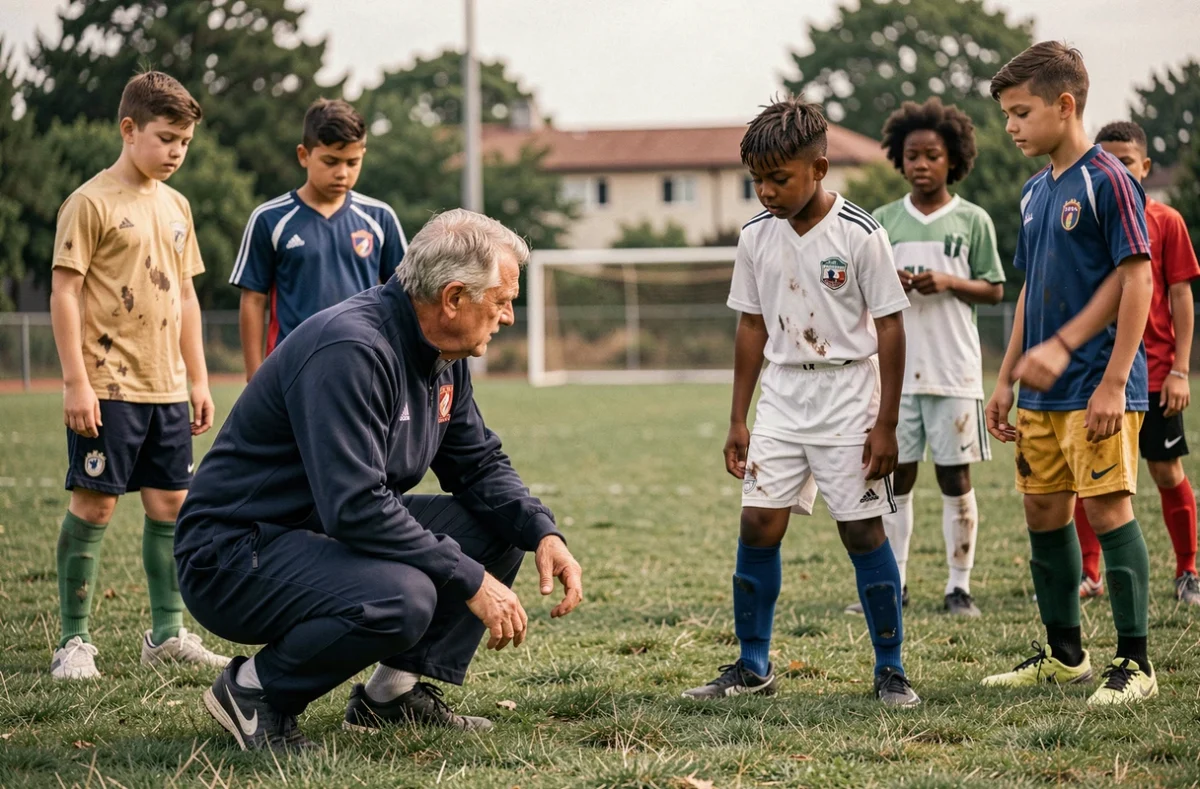
A sports educator trained to welcome vulnerable audiences picks up signals that a regular coach may not see. A child who systematically refuses physical contact, an adolescent who isolates themselves after each group exercise: these behaviors call for an appropriate response.
Training staff for these situations is not a luxury. It is a condition for the sports club to remain a safe space and not an additional place of failure.
Solidarity through sport is not decreed in a press release. It is built club by club, session by session, with trained referents, equipment designed for all, and sustainable partnerships between the sports world and the social sector. The 2023 decree, the accessibility reference framework in preparation, and programs like ESMS&CLUBS lay the foundations. The rest depends on the ability of local actors to concretely seize these opportunities.